What does sustainable sewing mean to you? Does it mean being a conscious consumer? Or do you go further and realize that even though you're a conscious consumer you're still consuming. How and what we consume has an impact on our communities, human rights and the environment.
I've been sewing my own clothes consuming textile products for a long time. It all started restarted as a quest for clothing that fit. It evolved over the years as I learned about the impact of fast-fashion on human rights and the environment. And it is an awakening of sorts to the impact that deforestation and water diversion in the name of fashion has in other aspects of our lives.
There are big steps (education) and small steps (how we sew) that we can take in order to have a positive impact no matter how small they might seem.
1. Sew the Stash!
Okay, I realize that fabric shopping and sewing with fabric are two completely different hobbies for some of us.
Sure, it's fun a distraction during the pandemic to scroll the online fabric collections now that the pandemic has striped away the ability to walk into a fabric store and touch textile products like we once did in the past. If anything, lockdowns provide the time to shop the stash and rediscover pieces that might otherwise be overlooked or forgotten. Along with searching for the last bits of elastic during the great elastic shortage of 2020. Oy!
Can't find the right colour of fabric in your stash or want to jump on the tie-dye trend? Consider dying fabric that is already in your stash. You don't even need to run out to the craft or fabric store for store-bought dyes. You might have all the materials needed in your pantry or garden. Added bonus, natural dyes are kind to the environment. It will feel like you have a new fabric that you pulled out of the stash.
2. Wear What You Make, Make What You and Your Community Needs
In a few short days we'll be in the midst of Me Made May festivities. It's an annual online celebration of what has been created and worn. You don't even have to document the process if you don't want to, it's just a time to be mindful of the clothing items that are waiting to get out of the closet and be worn.
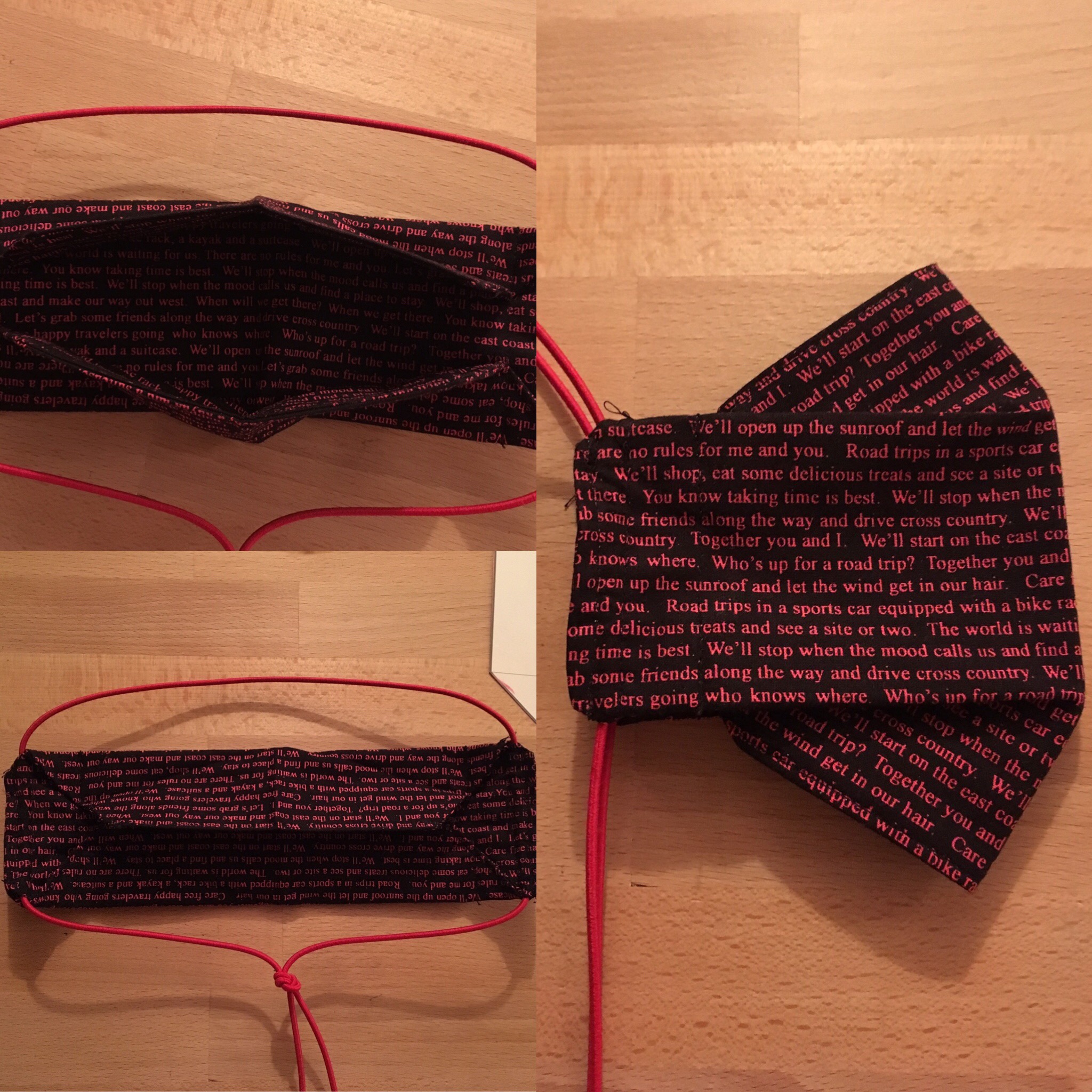
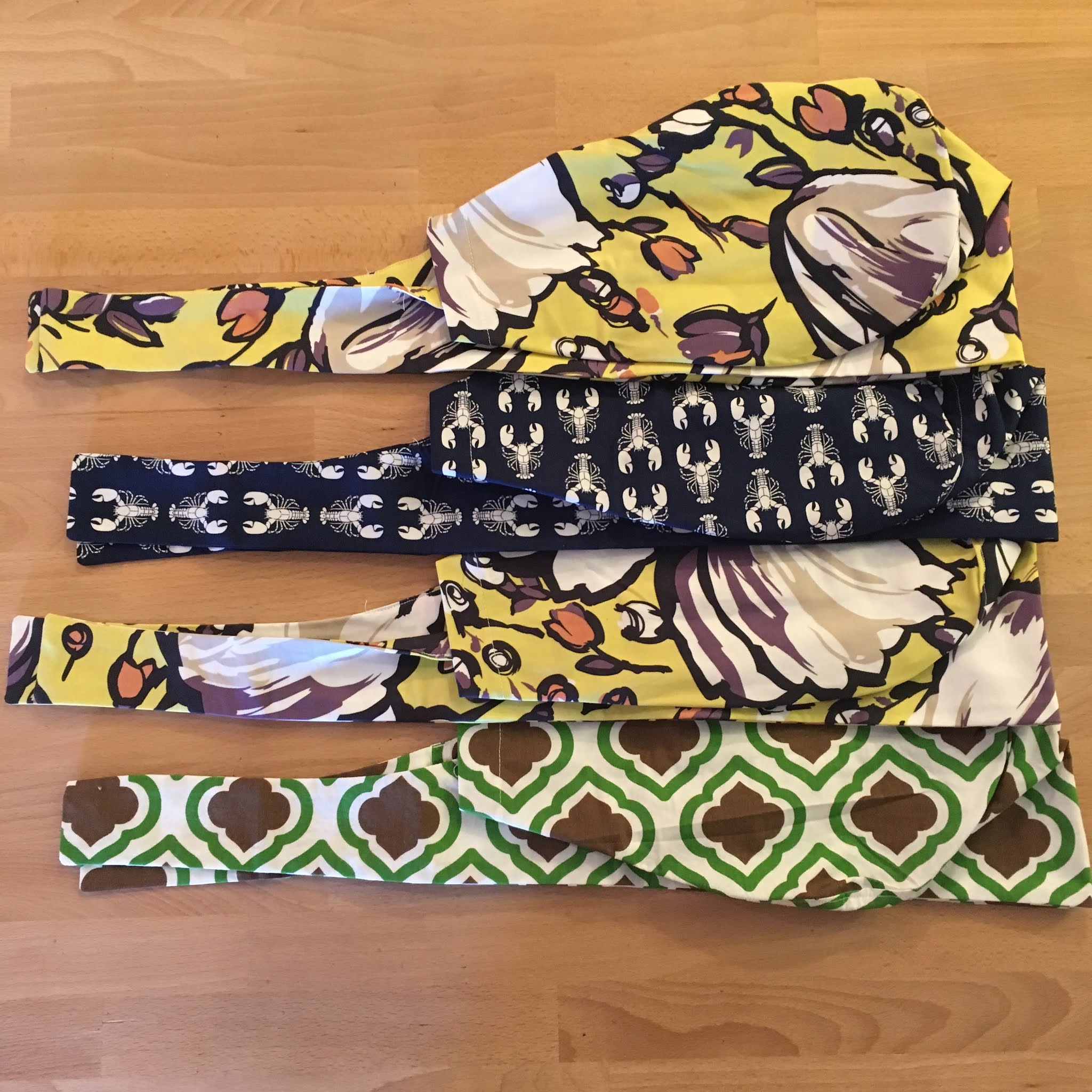
Lately, most of my sewing projects have not been photo shoot material. There hasn't been much fancy pretty things coming off the sewing machine. Instead, my sewing projects have been highly worn needed items. Face masks, undergarments, and scrub caps are not the most glamorous projects but they are the most appreciated.
And on a sustainability note, these prized and highly sought after items are small enough to use up small remnants of fabric left over from other projects. There are many groups (hospital / health care workers, homeless shelters, community groups) that would benefit from any left over face masks, undergarments and scrub caps that could be send their way. If it's possible to do, it's a great way to care for our communities.
3. Care for Your Clothes
"Loved clothes last," is the catch phrase but it's also true. We all invest a lot of time into creating our me-made wardrobes. Doesn't it make sense to care for them after they leave the sewing machine?
Let me tell you a tale about this
white shirt. Back in 2019, I was so thrilled that I finally managed to sew a white shirt that was comfortable and fit. It's all about sleeves that hit my wrist area and enough ease around the mid-section. And then in my joy over finally having a white shirt that fits, I wore it out in the public sphere and while at work a blue ink stain appeared on the front band.
I know, I was shocked as well. I have no idea how it happened, I'm usually very careful except for this time. I tried every commercial product stain remover I could get my hands on, from a Tide™ stain remover stick to Shout™ spray stain remover, but nothing worked. In matter of fact the ink stain spread. Sadness quickly followed when I realized that the there was no more white cotton with stretch in my fabric stash.
The once loved shirt sat in my mending pile for months waiting for me to recycle those buttons and cut it up for rags. It sat there for that long because I just couldn't do it. And during that time, I started to wonder about that urban legend out there that says,
hair spray can remove ink stains. Could it be that it might actually be true? What did I have to lose? Well, besides a stack of new rags.
It did work despite all
the online posts that hair spray contains less alcohol as it did back-in-the-day. The current advice seems to be to use a bottle of alcohol instead but with the pandemic making alcohol supplies at the drug store a rare find, I'm glad I gave the hair spray trick a try. I invested in a non-aerosol bottle of extra hold hair spray and it worked, much to my relief. The moral of the story, sometimes it's worth the risk. And if it doesn't work,
there is a source for rags oh let's not go there.
4. Learn to Mend and Love the Process
Mending is the greatest sewing technique that you can bring to your sewing process. Yeah, I can hardly believe that my fingers hit those keystrokes to spell that out. I've come a long way in
my view on mending. There has really been a mind shift over the pandemic.
The above ready-to-wear shirt has ended up on the mending pile once again. I'm thinking about how I want to repair the small hole developing on the upper back of this top. And I'm thinking about doing some visible mending with this one. I've been intrigued by
Sashiko, the Japanese technique of visible mending. I think it could look quite pretty, maybe try it out with some silk thread so not to compete with the light-weight fabric.
5. Use Old Clothing as Your Fabric Source
According to a report by the United States Environment Protection Agency, many of the previously desired clothing that we donate to charity and second hand shops still end up in landfills and contribute to greenhouse gases.
Have you considered using your old clothing as a fabric source instead of donating them? It couldn't be a better time to consider it as the patchwork trend is sticking around for 2021.
How about using big people clothing pieces to recreate little people clothing? The above dress was created with a much loved piece of cloth from a me-made skirt that no longer fit. Fabrics have certainly changed over the decades as manufacturers blend natural and man-made fibres in order to save money. Those quality natural fibre fabrics are becoming harder to find in fabric store shelves replaced by polyester options. But those gems might still be sitting in your mending or donate piles waiting to be recreated into something new.
Stay Safe and Happy Sustainable Sewing!


.jpg)






.jpg)